
Key Takeaways
- Title loans in New Jersey offer quick access to cash for borrowers with car titles as collateral.
- Lenders typically charge high interest rates and fees, making these loans a short-term financial solution.
- Borrowing limits vary by lender, usually based on the value of the vehicle.
- New Jersey laws regulate title loans, ensuring certain consumer protections.
- It’s crucial to understand repayment terms and potential consequences of defaulting on these loans.
- Comparing lenders and reading reviews can help borrowers find the best rates and avoid predatory practices.
- Utilizing title loans responsibly can be a bridge for urgent financial needs until a more stable situation arises.
At a glanceTitle Loans New Jersey offers short-term funding options for individuals needing quick cash. This type of loan uses the title of your vehicle as collateral, allowing you to borrow against its value. Remember, these loans typically have high-interest rates and short repayment periods, so it’s crucial to understand the terms and consider alternatives if possible.
In today’s dynamic financial landscape, access to quick and reliable funding is crucial for individuals and businesses alike. New Jersey residents often turn to various financing options to meet their urgent financial needs. Among these, Title Loans New Jersey has emerged as a popular choice for those seeking immediate cash. This secure lending mechanism allows borrowers to leverage the equity in their vehicles, providing a fast and efficient solution for short-term financial obligations.
However, the traditional loan process can be cumbersome and time-consuming. This article delves into the world of Title Loans New Jersey, exploring their benefits, the application process, and how they offer a practical and accessible financial safety net for New Jersey residents.
Title Loans New Jersey in : Where to Start
Looking for title loans new jersey in ? Loans Inc title loans new jersey serves the local area and can answer questions specific to .
Understanding Title Loans in New Jersey: Basics and Eligibility
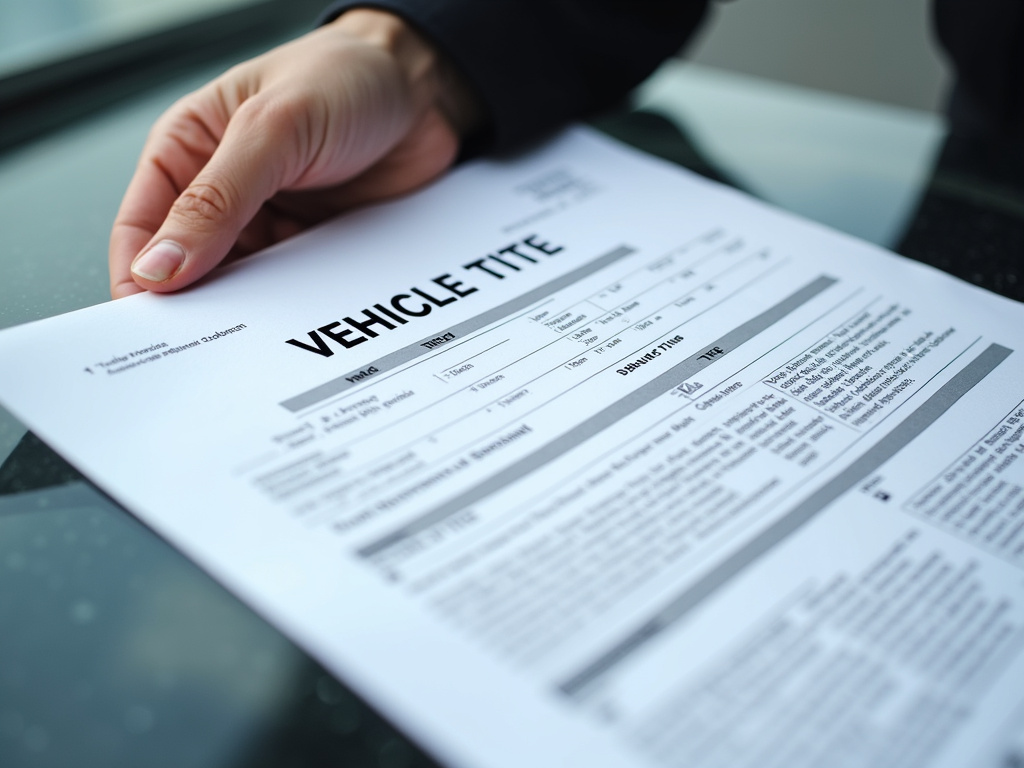
Title Loans New Jersey, also known as auto title loans, offer a unique financial solution for borrowers in the state. This type of loan utilizes the equity in your vehicle, allowing you to access cash quickly. Understanding the basics and eligibility criteria is crucial when considering a Title Loans New Jersey option. The process involves securing a loan against your vehicle’s title, which serves as collateral. This ensures the lender has a claim on the vehicle if you fail to repay the loan.
The first step in the process is to determine your vehicle’s value, which directly impacts the loan amount you can secure. In New Jersey, the available loan amount typically ranges from 25% to 50% of your vehicle’s fair market value. This is a significant advantage for borrowers as it provides a higher borrowing capacity compared to traditional loans. However, it’s essential to choose a reputable provider to ensure a fair and transparent process. How long does this whole process take? It can vary, but typically, you can complete the application and receive funding within a few hours to a day, making it a quick solution for short-term financial needs.
When selecting a Title Loans New Jersey provider, consider factors like interest rates, repayment terms, and customer service. It’s advisable to compare multiple offers to find the best deal. For instance, some providers may offer longer repayment periods, reducing your monthly payments but extending the overall cost. Others might have faster turnaround times but higher interest rates. How do you choose? Look for providers with clear, flexible terms and a reputation for ethical lending practices. Additionally, reading customer reviews can provide valuable insights into the lender’s reliability and customer satisfaction.
The Application Process: Getting a Title Loan in NJ Step-by-Step
Receiving a Title Loan in New Jersey involves a straightforward process designed to provide quick financial support to eligible borrowers. Here’s a step-by-step guide to understanding how it works. Firstly, borrowers must determine if they actually need a Title Loan in New Jersey, evaluating whether it’s the most suitable option for their immediate financial needs. This involves assessing factors like interest rates, repayment terms, and the collateral requirement—your vehicle’s title.
If a Title Loan in New Jersey seems like the right move, the next step is to gather the necessary documents. You’ll typically need proof of identification, such as a driver’s license, and proof of vehicle ownership, usually through a vehicle registration document. Some lenders may also require proof of income and a clean credit history, although direct deposit from an employer is often sufficient.
Once you have these documents, you can begin the application process. This usually begins online, where lenders will review your information and determine your eligibility. During this stage, they’ll also provide a clear breakdown of the loan terms, including interest rates and repayment schedules. After approval, the lender will disburse the funds, often directly into your bank account. Remember, understanding the Title Loans New Jersey process involves being transparent about your financial situation and ensuring you can meet the repayment obligations.
Risks and Benefits: Navigating Title Loans in New Jersey

Title Loans New Jersey can offer a quick financial solution for individuals facing urgent cash needs. However, navigating this alternative lending option requires a thorough understanding of its risks and benefits. This section provides an in-depth analysis to help borrowers make informed decisions about whether and when to avail of Title Loans New Jersey.
The primary cost associated with Title Loans New Jersey is the interest rate, which can be significantly higher than traditional loans. According to recent data, average interest rates range from 25% to 300%, varying based on lenders and loan terms. This high-interest structure can quickly compound, making it crucial for borrowers to consider the total cost over the loan’s lifespan. For instance, a $500 loan with an annual percentage rate (APR) of 300% would incur approximately $1250 in fees by the end of the year. As such, borrowers should ask themselves, "How much does Title Loans New Jersey actually cost?" and ensure they can manage the potential financial burden.
While Title Loans New Jersey can provide quick access to cash, they are not universally suitable for everyone’s needs. These loans are ideal for urgent situations where time is of the essence, such as unexpected medical bills or home repairs. However, they should be considered a last resort due to their high-interest nature. For instance, if you require funds for a planned vacation or a new car, exploring traditional loan options with more reasonable interest rates might be a better strategic move. The question, "Do you actually need Title Loans New Jersey?" is essential; borrowers should evaluate their financial situation and explore all viable alternatives before committing to this type of loan.
Frequently Asked Questions About Title Loans New Jersey
What is a title loan?
A title loan is a short-term loan where the borrower uses their vehicle’s title as collateral. Lenders provide a loan amount based on the vehicle’s value, and if the borrower defaults, the lender has the right to repossess the vehicle. This option is popular for individuals needing quick cash and offering a simpler alternative to traditional loans.
Who is eligible for a title loan in New Jersey?
In New Jersey, individuals with a valid driver’s license, a clear vehicle title, and a stable source of income are typically eligible. Lenders assess the borrower’s ability to repay the loan, considering factors like employment, income, and existing debt. The age of the vehicle and its overall condition may also influence the loan amount.
How much can I borrow with a title loan?
The loan amount depends on the value of your vehicle. Lenders perform an assessment to determine the maximum they can lend. In New Jersey, title loans usually range from a few hundred to a few thousand dollars. It’s essential to borrow only what you need to avoid high-interest rates and potential repossession.
What is the process of applying for a title loan?
The process involves providing personal information, vehicle details, and income proof. You’ll need your vehicle’s title, a valid ID, and proof of insurance. The lender will evaluate your application, and if approved, you’ll receive the funds. Once the loan is repaid, the lender returns the title.
Are there any hidden fees or penalties with title loans?
Yes, title loans often come with fees, including application fees, processing charges, and interest rates. Late payment fees are common, and if the loan goes into default, the lender may charge additional repossession costs. It’s crucial to understand all terms and conditions to avoid unexpected fees.
Can I pay off the loan early?
Absolutely. Prepaying the loan in full or making partial payments ahead of schedule is allowed. Contacting the lender to discuss repayment options is advisable. Early repayment can help save on interest and potentially improve your relationship with the lender.
What happens if I miss a payment?
Missed or late payments may result in additional fees and may harm your credit score. Lenders typically provide grace periods, but subsequent delays could lead to repossession proceedings. Communicating with the lender about payment difficulties is essential to prevent severe consequences.
Title Loans New Jersey offer a unique financial solution for residents in need of quick access to cash. By understanding the basics, eligibility criteria, and the step-by-step application process outlined in this article, you can make informed decisions regarding this type of loan. While Title Loans New Jersey provide a potential solution for short-term financial needs, it’s crucial to weigh the risks and benefits. By being fully aware of the implications, you can navigate this option effectively, ensuring a positive outcome. Moving forward, consider exploring reputable lenders, comparing rates, and understanding the terms to make the best choice for your financial situation.